
What OHS Students Think about Daylight Savings
Daylight Savings – the practice of advancing clocks by an hour during the summer – is observed from 2:00 AM local time on March 8th to 2:00 AM local time on November 1st in all US states except Arizona and Hawaii. We asked OHS students to weigh in on their thoughts about its practicality. Here’s what they said:
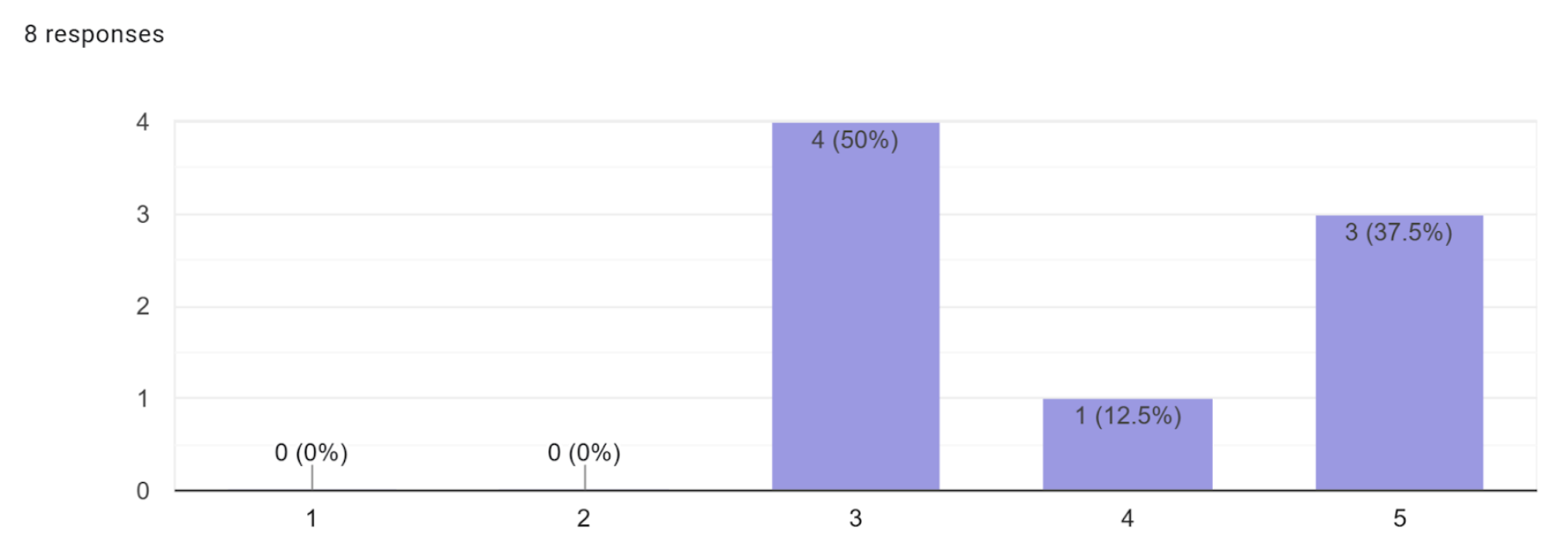
In a survey with eight responses, five students live in areas where Daylight Savings is observed and 3 in areas where it is not. When asked about their familiarity with the purpose of this practice on a scale of 1-5, they all responded within the range of 3 - 5.
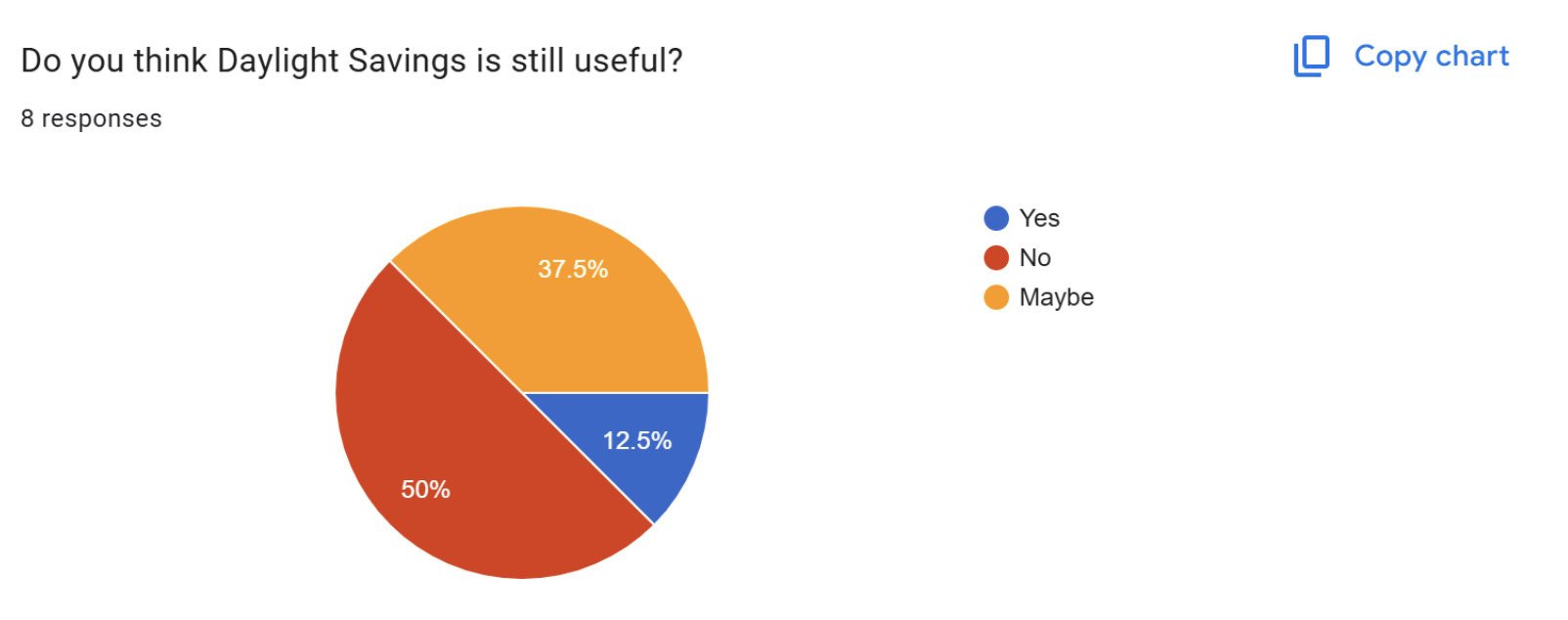
50% said they believe the practice is no longer useful, while only one student thought that it continues to be useful.
A student (Class of 2026),said, “During Daylight Savings time, my classes are an hour earlier. So my earliest class the whole week is at 7am and my latest is at 9pm (ends at 9:30pm bc it's just homeroom). Then when Daylight Savings ends, they shift by an hour, so my earliest class starts at 8am and my latest starts at 10pm (meaning I'm absolutely dead because I usually sleep at 10, but it's a fun class so all is good). On the one hand, it's nice that I theoretically get to sleep in when there's no Daylight Savings, but on the other hand, I usually wake up around the same time (6am) year-round by default, plus or minus 30 mins. So what happens is I tell myself I can stay up late because I don't *have* to wake up early, but then I actually wake up early and can't go back to sleep anymore. Overall I've gotten pretty used to it over the years though.”
When asked about the advantages of Daylight Savings, students voiced several benefits ranging from “sleeping in” to increased security when walking at night.. Teresa He‘28 said, “Personally, I like having to switch back and forth between two different schedules at different points of the year. It helps me reconsider my time management and shakes things up a bit.”
As for the disadvantages, she said “It can be a problem for international students in countries that do not observe it, though I am fortunate enough to have not experienced this issue myself yet. I do know other students though who are now having classes at midnight, or very early in the morning, that doesn't help with an ideal or healthy sleep schedule.” Several others also voiced concerns for international students in regions where daylight savings is not observed. Another student (Class of 2026) said, “I've read that it's outweighed by the negative effects (higher rate of road accidents, economic effects of sleep being worsened in general, etc.), and the overall power savings do not seem very substantial.”