
A Trip to the Equator: OHS Galapagos Trip
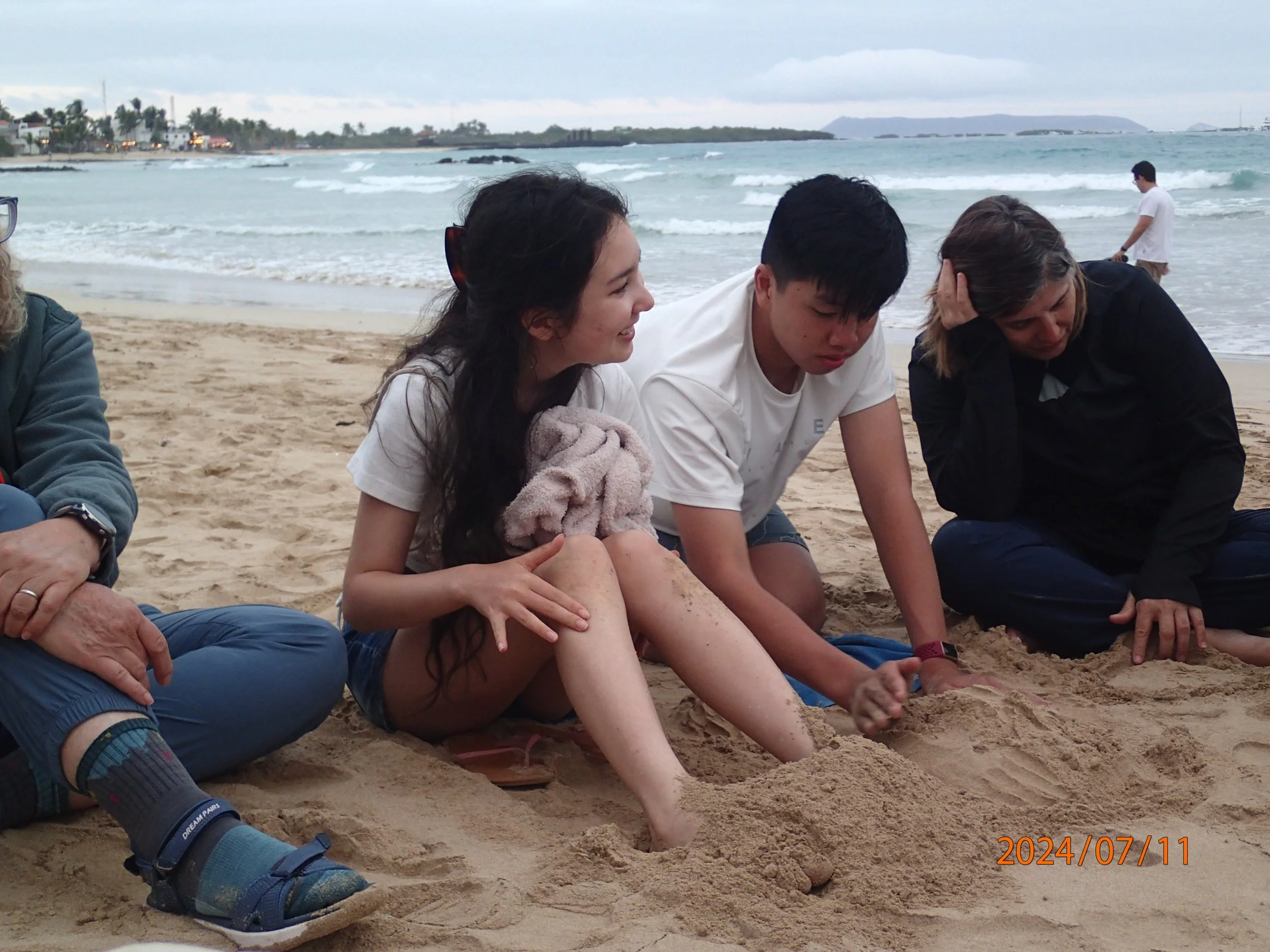
OHS students on the Galapagos beach
“Are you showering first or am I?”
This summer, on one of the Student Travel summer trips, a select few OHS high schoolers traveled to South America to visit the birthplace of Darwin’s theory of evolution: the Galápagos Islands of Ecuador! Led by the organization Ecology Project International (EPI), 12 students and OHS instructors Dr. Kristina Vetter and Ms. Marie Hamaoui embarked on a nine-day-long expedition to learn about the ins and outs of islands. These interactive lessons ranged from creating projects about the island biogeography to working with national park rangers to collect data on the Giant Tortoise, a species exclusive to the Galápagos, in efforts to study their movement and migration habits.
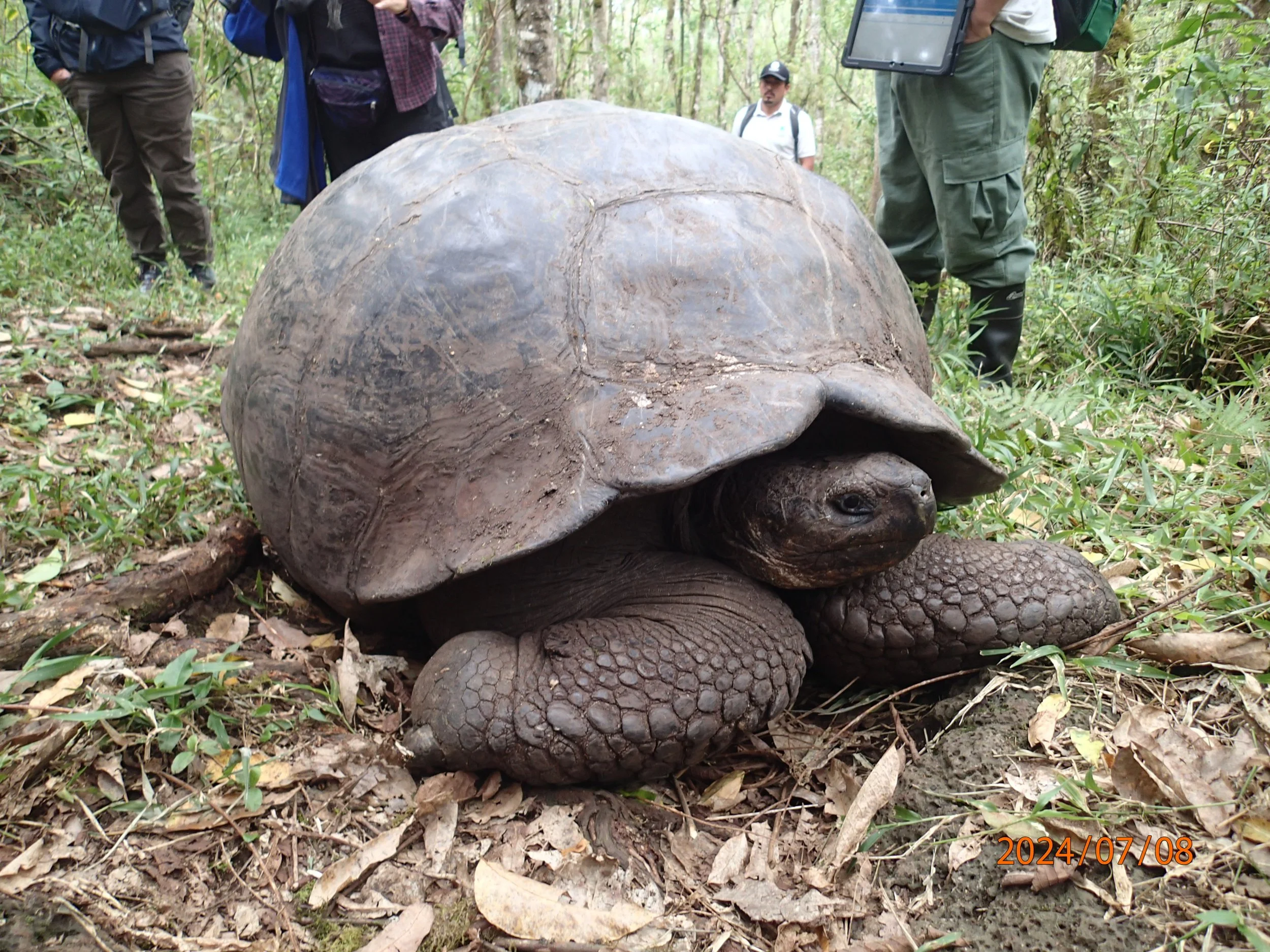
Giant Tortoise
Danielle (’26) explained that it was “very cool to see and interact with the tortoises and pick them up, which was a unique experience to us because not every visitor was allowed to touch them.” OHSers were given in-depth instruction on how to approach the giant tortoises for this vital research. Being at least a four-person job to flip, measure, lift, weigh, and mark, EPI and the Santa Cruz National Park work with much care and respect to preserve these animals.
In addition to the ancient (some were over 100 years old!) Giant Tortoises that give the Galápagos its name, the trip made sure to showcase and highlight the islands’ other unique fauna as well—blue-footed boobies, marine iguanas, and the Galápagos penguins, —to name a few. Found nowhere else on the planet, these endemic species contribute to making the archipelago one of the most biologically outstanding destinations on Earth.
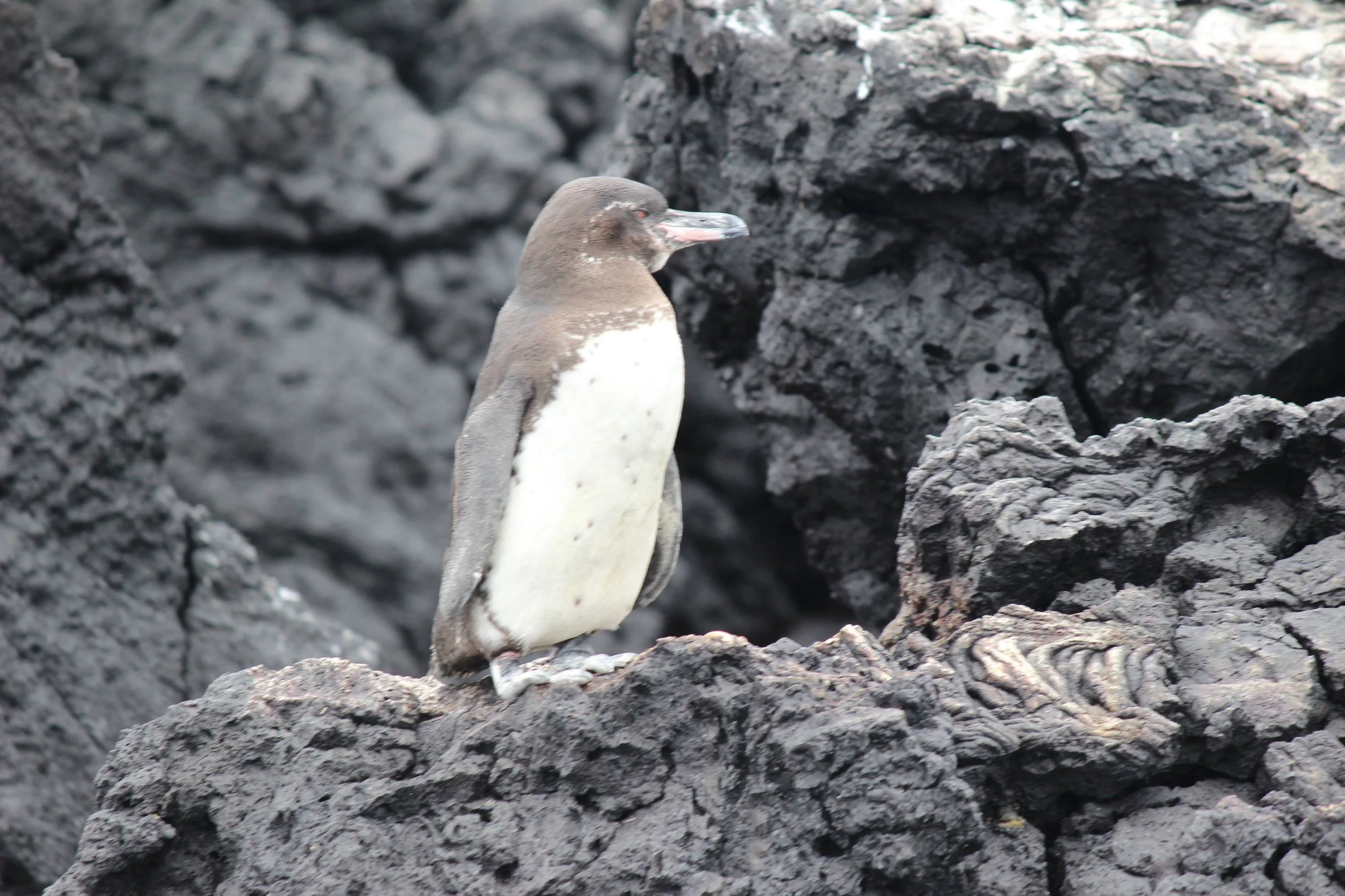
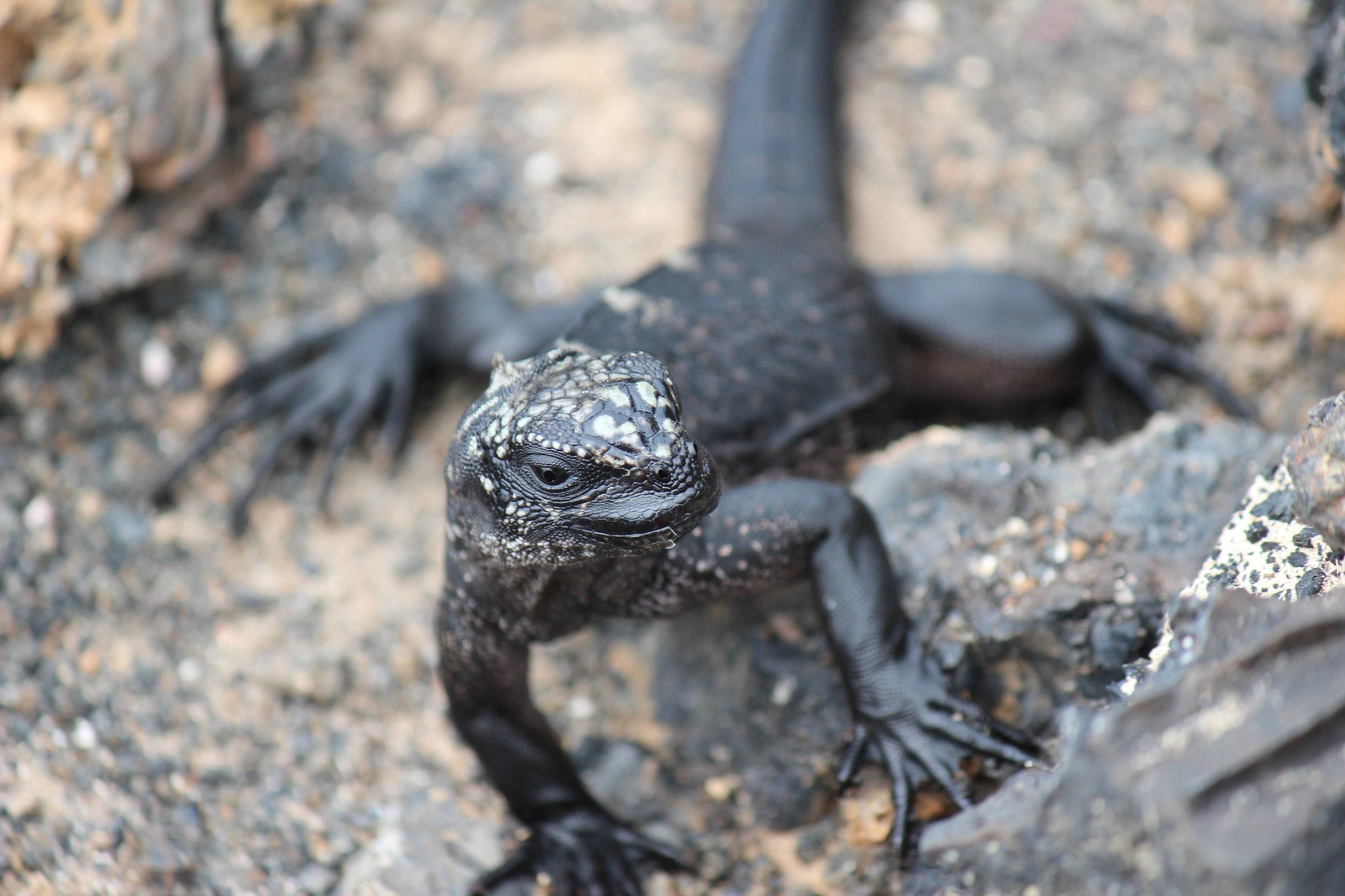
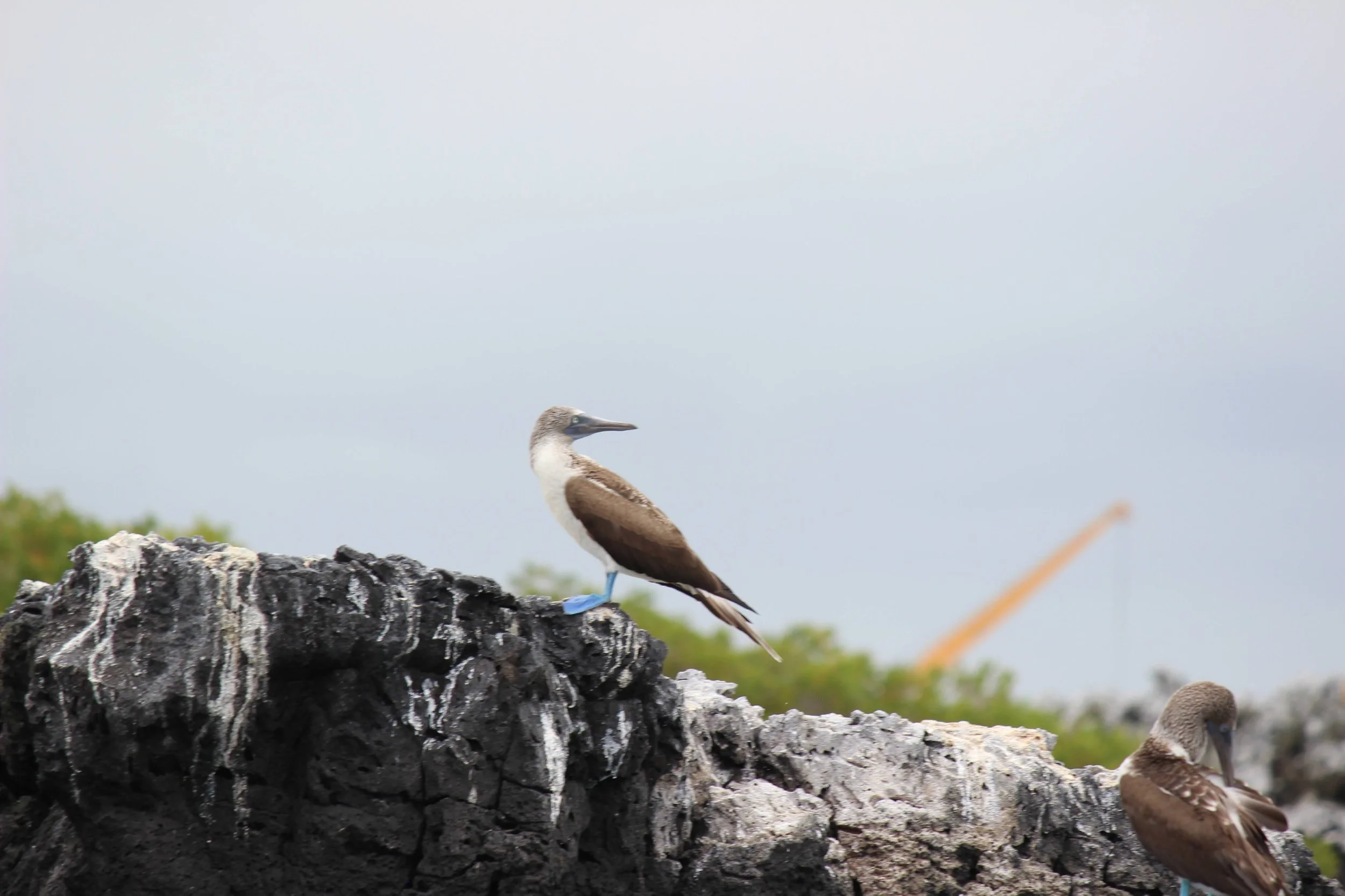
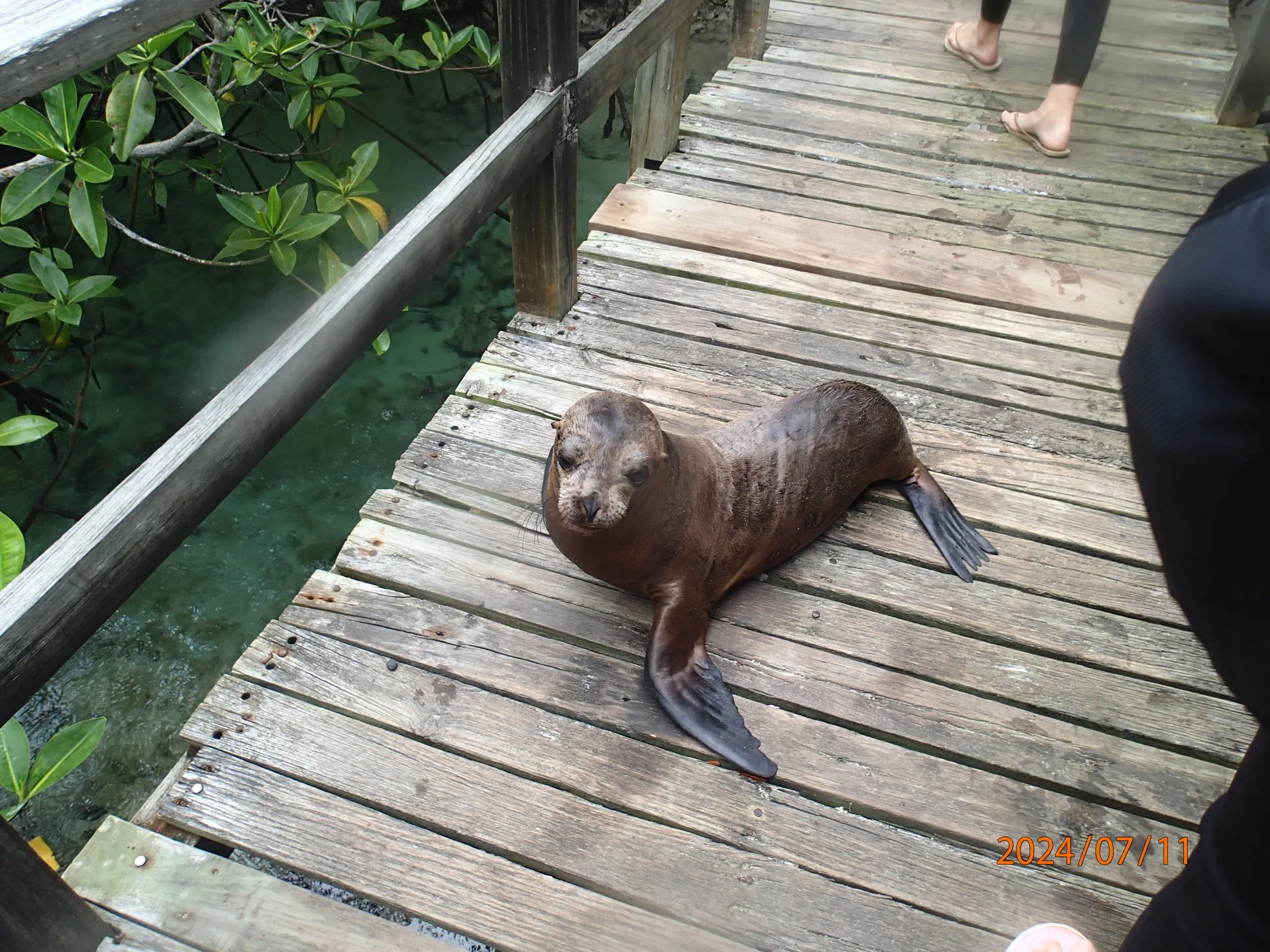
Fauna of the Galapagos
On the fifth day, OHSers took a ferry to Isabela Island, where they stayed for three nights and went into the water every day. They spotted sea turtles, octopus, stonefish, and a never-ending list of marine wildlife. Rasa (’25) mentioned that her favorite time was when they went “snorkeling with sharks in the channel,” formerly known as Las Tintoreras, the Whitetip Reef Shark Channel. “I counted 72!” she recalled.
Taking in the beauty of this special ecosystem, the group participated in debates about the most efficient ways to preserve the nature of the islands, sparking conversations on energy consumption, gas, the limits of travel, as well as counterarguments. "Think of the economy," said Victor (’26), revealing complexities of the modern day issue on going green. On the beach, EPI also held a brief lesson on microplastics, where students took on the roles of scientists again to collect tiny pieces of plastic hidden in the sand with the help of special instruments. Their recorded data was to be used later by local charities as part of a survey on the island's pollution.
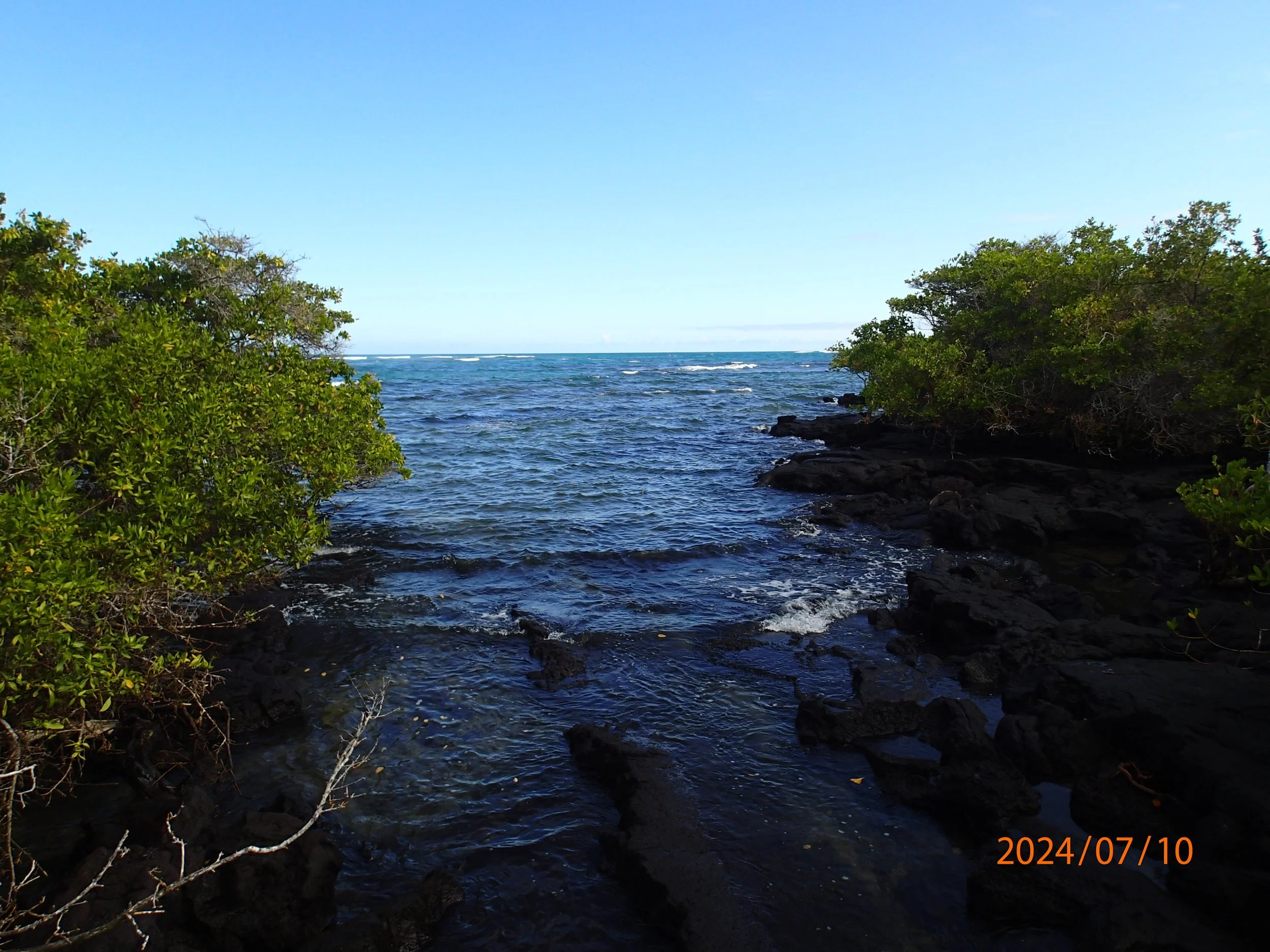
Galapagos ecosystem
Aside from the important reflections on conservation awareness, students say that the time spent with each other was the most memorable element of the trip. Everyone agreed that the unplugged policy, which required students to turn in their phones, elevated the experience. “It was really nice to be without it and focus on making connections, though it would have been nice to have remembered to bring a camera,” Rasa pointed out. The experience of “sleeping in camping tents for two nights and sitting all together at meals,” family-style, created a close-knit community that was “the best outcome of the trip,” Danielle assured.
Running on plantains and freshly squeezed guava juice, the students made cherished memories, whether it was playing speed and card games at the dining table, night dancing with island locals in the park, or just taking the chance to nap in any hammock they could find. From sharing sleeping quarters to bathroom sinks, OHS’ summer trip in the Galápagos offers students the incredible opportunity to create lifelong friendships and partake in meaningful experiences abroad.
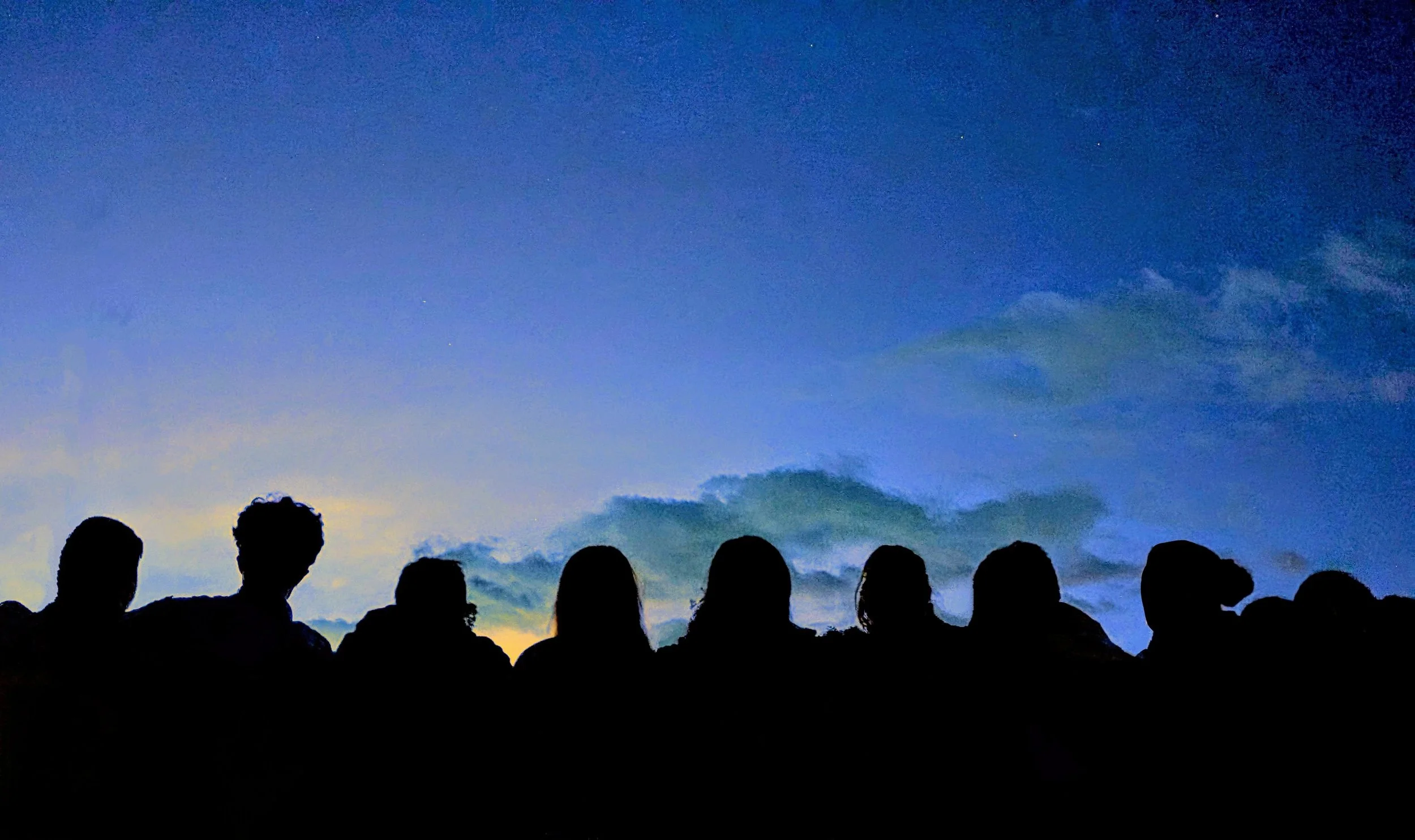
OHS students watching Galapagos sunset