
Artemis II Launch—What's the Big Deal?
On April 1st–no, it wasn't a joke!–a Space Launch System rocket lifted off from NASA’s Kennedy Space Center. It was the beginning of Artemis II–the first crewed mission of NASA’s Artemis program–and carried four astronauts aboard the Orion spacecraft. After more than half a century since Apollo, humanity once again sent astronauts toward the Moon.
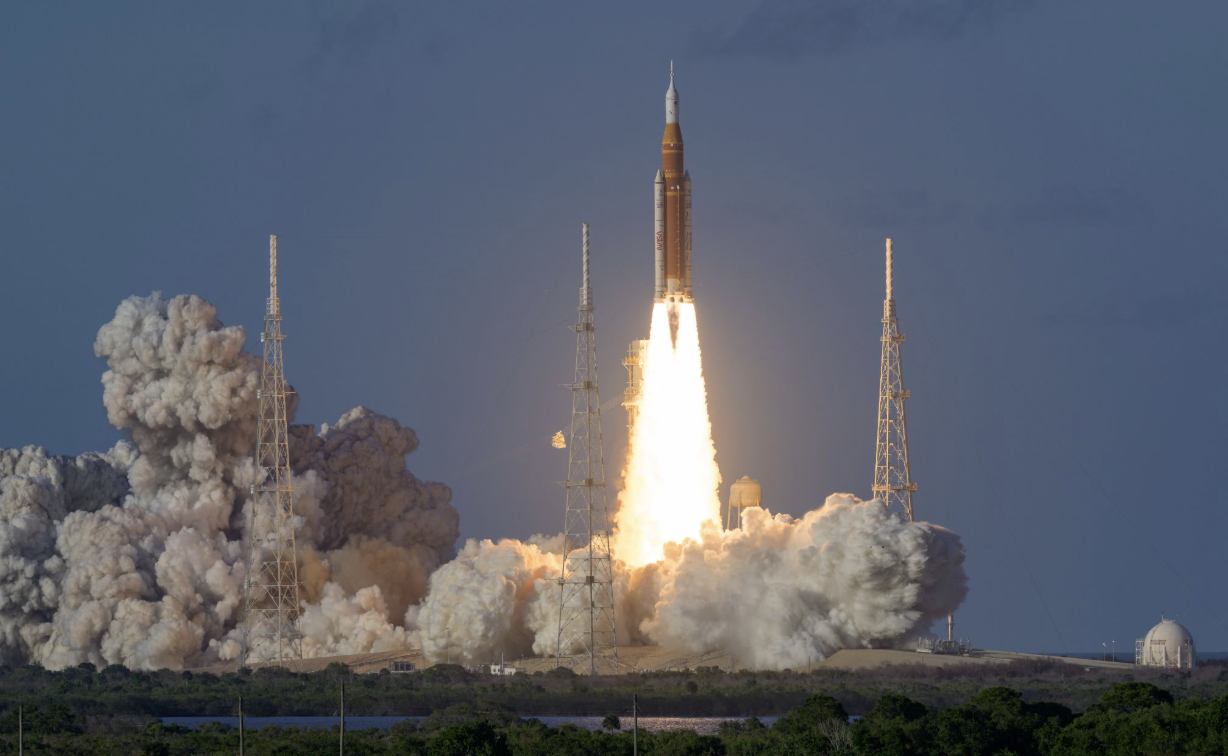
^Credits: NASA; Orion Spacecraft takes off!
Unlike a lunar landing mission, Artemis II was designed as a lunar flyby, a critical test of NASA’s deep-space systems with humans onboard before future Moon landings.
The mission carried four astronauts representing NASA and international partners. Their role was to test every major system required for deep space exploration, including navigation, life support, and communication beyond Earth orbit.
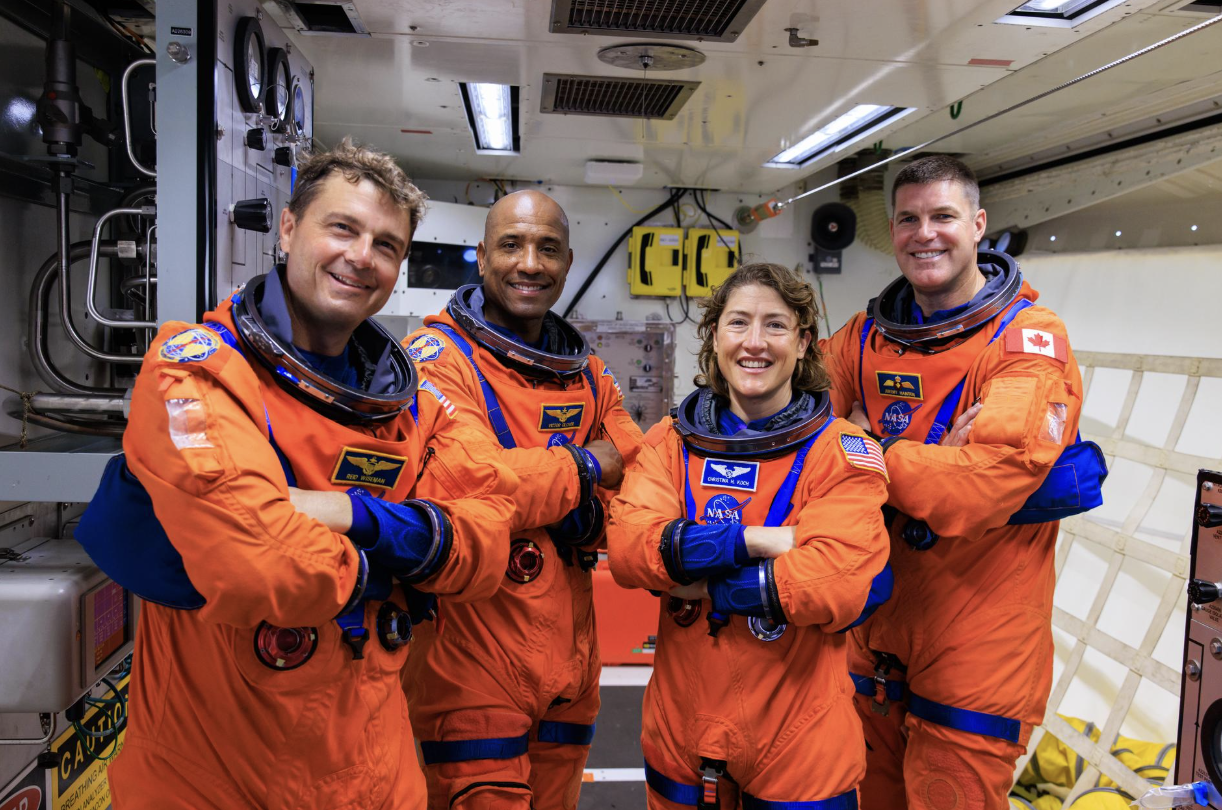
^ Credits: Nasa; From the left, Commander Reid Wiseman of USA, Pilot Victor Glover of USA, Mission Specialist Christina Koch of USA, Mission Specialist Jeremy Hansen of Canada
This crew became the first humans in decades to travel beyond low Earth orbit, entering true deep-space conditions. Artemis II includes one of the first women to travel around the Moon and farther from Earth and became the first crewed mission in more than 50 years to send humans that far from Earth since the Apollo era.
Shortly after launch, the spacecraft, named Orion, remained in Earth orbit while engineers and astronauts confirmed that all systems were operating correctly. This included checks of oxygen systems, temperature control, and spacecraft guidance systems.
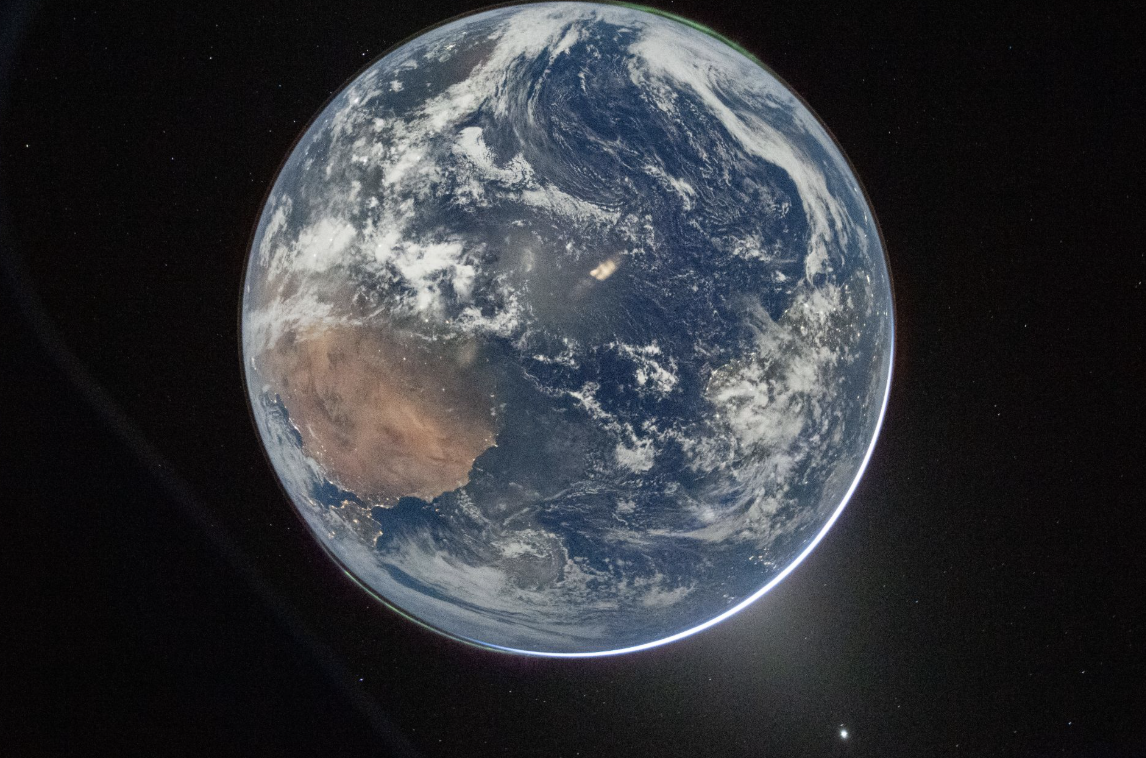
^ Credits: Nasa; Picture of moon taken by Artemis II crew while in Earth orbit; Aurora Borealis (Northern Lights) over Earth viewed from orbit
Once verified, Orion performed a burn that sent it towards the Moon–a trajectory that entails traveling thousands of miles beyond Earth. During this phase, astronauts experienced a view of Earth shrinking into the distance.
As Orion furthered its journey, it performed a lunar flyby, passing behind the Moon and testing navigation systems in deep space. When they were directly behind the moon, they were without direct contact with Earth for around 40 minutes. They continued their scientific research and onboard experiments throughout the mission. However, during the brief period of communication loss as the spacecraft passed behind the Moon, Commander Wiseman reflected on the moment, saying: "We just gathered together for about 30 seconds, and each one of us had a maple cream cookie, and then right back into the science."
As they were emerging from behind the moon, nearing the end of their lunar flyby, the spacecraft passed into a rare alignment where the Sun moved directly behind Earth from the crew’s perspective. This created a solar eclipse viewed from space. From Orion, Earth appeared as a dark circular silhouette blocking the Sun, surrounded by a glowing ring of fiery red and orange light formed as sunlight filtered through Earth’s atmosphere. The planet’s edges shimmered with thin bands of color, while the center remained in deep shadow.
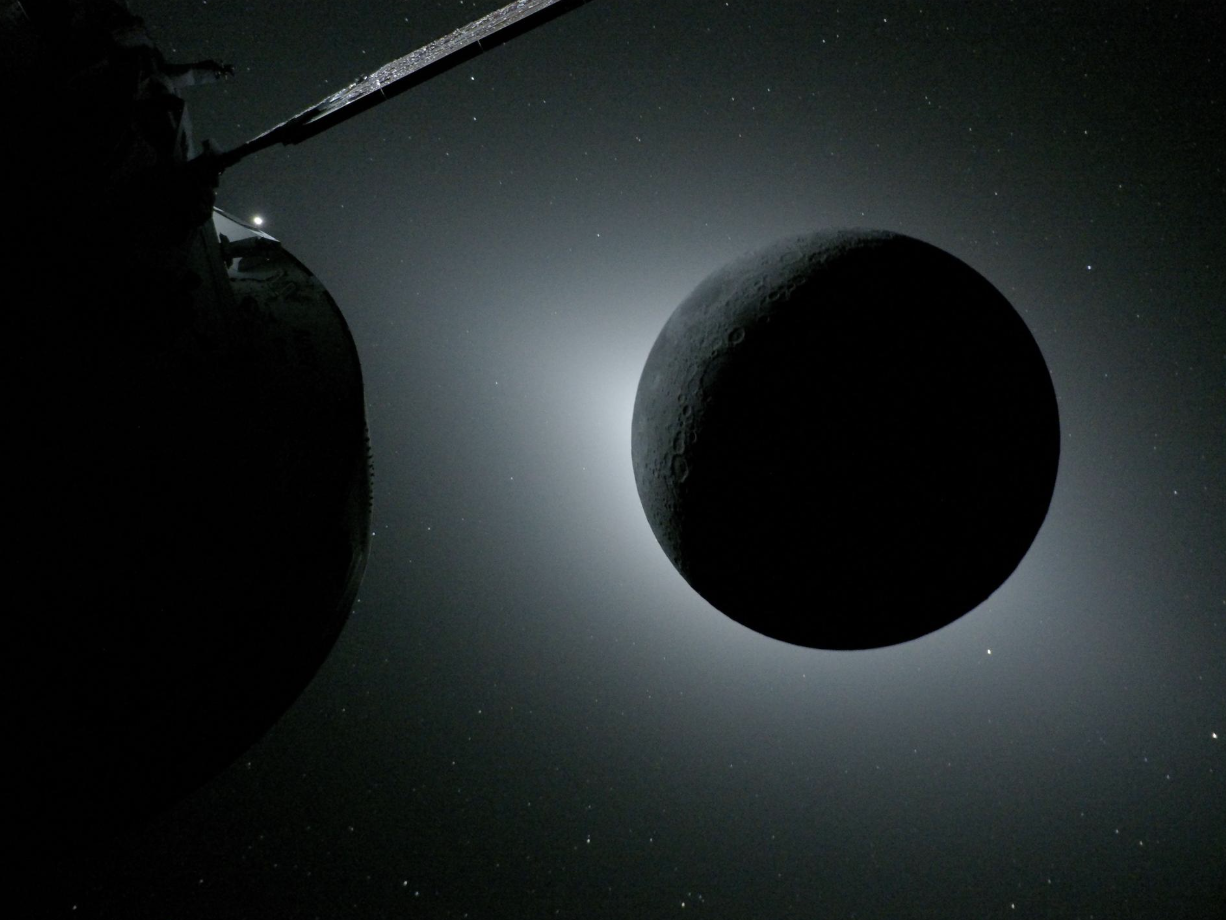
^Credits: Nasa; Moon in eclipse taken by Artemis II crew
After completing the flyby, Orion used the Moon’s gravity to slingshot back toward Earth. During the return phase, the spacecraft continued testing systems critical for future lunar missions, including radiation exposure monitoring and deep-space communication delays.
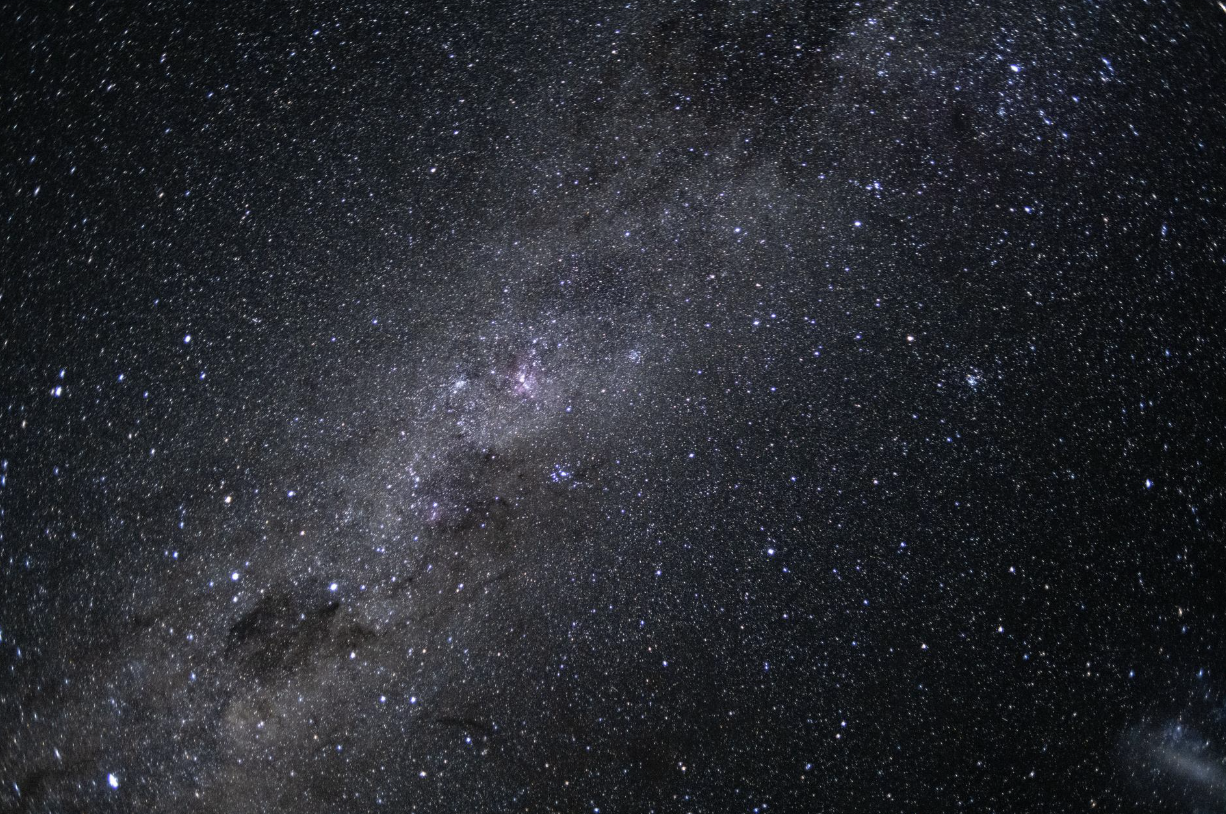
^Credits: Nasa; Picture of Milky Way taken by Artemis II crew
On April 10, Orion re-entered Earth’s atmosphere at an extremely high speed. The heat shield endured intense temperatures as the spacecraft slowed from lunar return velocity. After a brief communications blackout, parachutes deployed successfully.
The capsule splashed down in the Pacific Ocean off the coast of the United States, where recovery teams quickly secured the spacecraft and assisted the crew.
Following the successful mission of Artemis II, Artemis III is planned to return humans to the lunar surface. This mission aims to land astronauts near the Moon’s south pole, a region believed to contain water ice that could support future exploration. Artemis III will also include international and commercial partnerships, using a lunar lander to transport astronauts from lunar orbit to the surface.
Beyond these missions, NASA plans to build the Lunar Gateway, a small space station in orbit around the Moon. This outpost will support long-term exploration, act as a staging point for lunar landings, and serve as a training ground for future deep-space missions.
Ultimately, the Artemis program is not only about returning to the Moon, but it is about learning how to live and work in deep space. NASA’s goal is to use what is learned on and around the Moon to prepare for the eventual giant leap: sending humans to Mars.
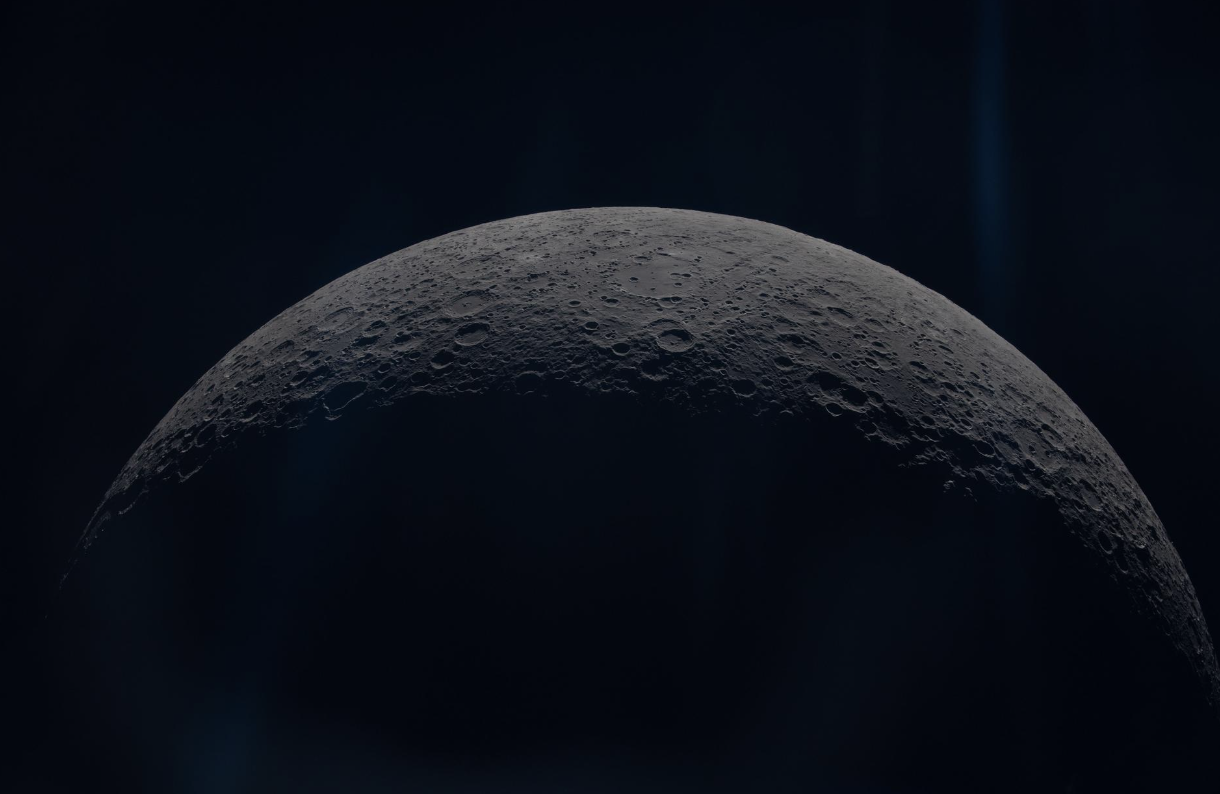
^Credits: Nasa; Artemis II crew captured the Moon's curved limb during their journey around the far side of the moon